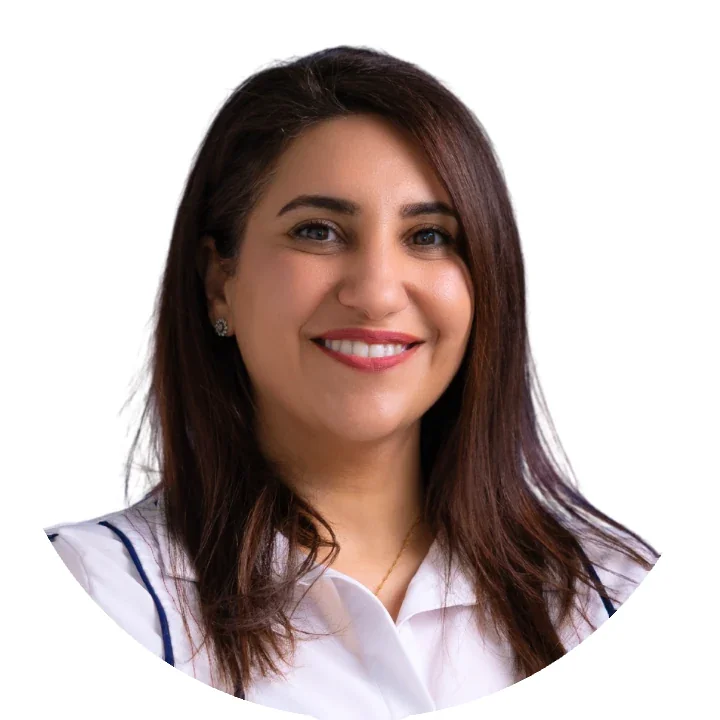
Dr. Haneen AlBoosta, Consultant General and Endocrine Surgeon in Bahrain

Dr. Haneen AlBoosta — Consultant General, Endocrine & Laparoscopic Surgeon

Thyroidectomy: Preparation, Surgery and Recovery

Dr. Haneen AlBoosta — Consultant General, Endocrine & Laparoscopic Surgeon in Bahrain

Thyroidectomy is usually a planned operation under general anaesthesia through a small collar incision in the lower neck, with most patients staying one night in hospital. Eating and drinking resume the same day, the throat may feel sore for a few days, and light activity restarts within about a week. Calcium and thyroid hormone levels are checked afterwards, and follow-up reviews the wound and the pathology result.

Preparing for surgery

  • Pre-operative blood tests, and vocal cord assessment when indicated.
  • Review of medications; blood thinners and some supplements may need adjusting in advance.
  • Fasting from midnight or as instructed by the anaesthetic team.
  • Arranging someone to drive you home and support you for the first day or two.
  • Vitamin D or calcium may be started beforehand in selected cases.

The day of surgery

The operation takes roughly one to three hours depending on gland size and whether one or both lobes are removed. Nerve monitoring may be used to help protect the nerves that supply the vocal cords. The incision is placed in a natural skin crease and closed with absorbable sutures or glue.

Hospital stay, eating and activity

  • Most patients stay one night; some lobectomies are discharged the same day.
  • Sips of water start a few hours after surgery, moving on to a normal diet as comfort allows.
  • A sore throat, mild neck stiffness and a tight sensation on swallowing are common and settle over days.
  • Walking is encouraged straight away; avoid heavy lifting and strenuous exercise for about two weeks.
  • Most people return to desk work within one to two weeks.

Wound and scar care

Keep the wound clean and dry as instructed, and shower only when advised. The scar looks pink and firm at first and fades gradually over six to twelve months. Protecting it from direct sun during the first year, and gentle massage once healed, help the final appearance.

Voice, calcium and medication

  • Voice: mild hoarseness or vocal tiring can occur and usually improves within weeks.
  • Calcium: after total thyroidectomy the parathyroid glands may be temporarily sluggish; tingling in the fingers or around the mouth should be reported promptly.
  • Thyroid hormone: started routinely after total thyroidectomy, and checked with blood tests after lobectomy.
  • Pain: usually well controlled with simple analgesia.

Follow-up and warning symptoms

  • A clinic review in the first two weeks to check the wound and discuss the pathology result.
  • Blood tests to adjust thyroid hormone and confirm calcium stability.
  • Seek urgent care for rapid neck swelling, difficulty breathing, severe or persistent tingling and muscle cramps, heavy bleeding, or fever with a red, discharging wound.

Frequently Asked Questions

How long does recovery after thyroidectomy take?

Most people feel largely back to normal in one to two weeks, with heavy lifting and strenuous exercise resumed at around two to three weeks.

Will I have a visible scar?

The incision is placed in a natural neck crease. It is pink initially and usually fades considerably over six to twelve months; sun protection during the first year helps.

Why is calcium checked after surgery?

The parathyroid glands sitting beside the thyroid can be temporarily affected after total thyroidectomy, causing a low calcium level with tingling or cramps. This is monitored and treated with supplements if needed.

When can I go back to work and exercise?

Desk work is usually possible within one to two weeks. Gym training, swimming and heavy lifting are generally resumed after two to three weeks.

Is eating restricted after thyroid surgery?

No specific diet is needed. Softer foods are often more comfortable for the first day or two while the throat is sore.

Request an Appointment

To help you faster, choose the topic closest to your enquiry. We will point you to the right page and the best way to get in touch.

Leave your details and we will get back to you

Please do not enter sensitive medical details in this form. Your details are used only to contact you about your request.

Request a Consultation

To discuss your symptoms, imaging or biopsy results with Dr. Haneen AlBoosta, book an appointment by WhatsApp or phone.

Medical Review

Reviewed by Dr. Haneen AlBoosta, Consultant General & Endocrine Surgeon. This page is updated periodically to remain consistent with current medical references and international guidelines. It is intended for general education and does not replace an individual medical consultation, examination or treatment plan.

© 2026 Dr. Haneen AlBoosta Clinic — All rights reserved