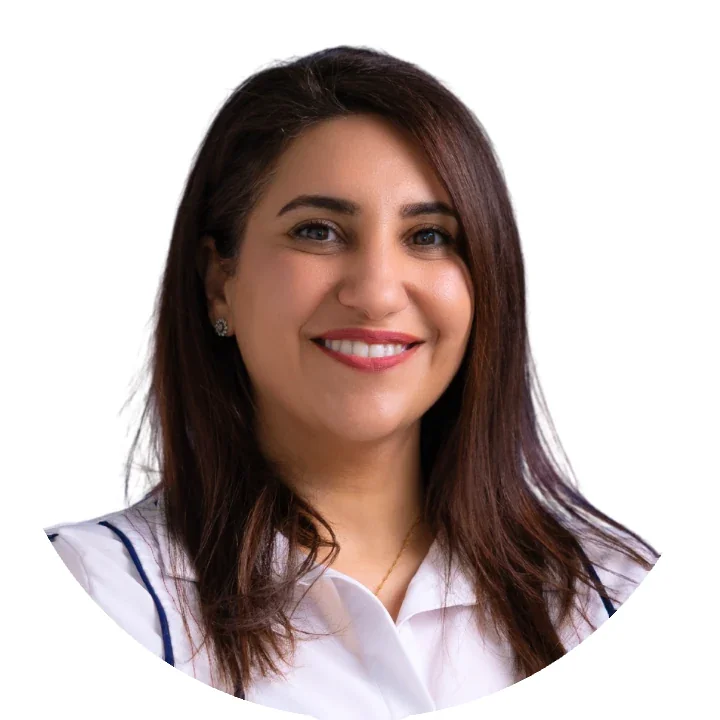
Dr. Haneen AlBoosta, Consultant General and Endocrine Surgeon in Bahrain

Dr. Haneen AlBoosta — Consultant General, Endocrine & Laparoscopic Surgeon

Breast Assessment and Surgery Clinic in Bahrain

Dr. Haneen AlBoosta — Consultant General, Endocrine & Laparoscopic Surgeon in Bahrain

Breast assessment follows a structured approach: clinical examination, imaging with ultrasound and, where age-appropriate, mammography, and a needle biopsy when the findings need clarification. Most breast lumps are benign, particularly in younger women. When a lump is suspicious or proven to be cancer, the consultation explains the surgical options and how they fit within the wider treatment plan.

Reasons to see a breast surgeon

  • A new breast lump or an area of thickening.
  • Persistent breast pain in one specific area.
  • Nipple discharge, especially if bloodstained or from one duct.
  • Changes in the skin or nipple, such as dimpling or inward turning.
  • An abnormal or unclear result on ultrasound or mammogram.
  • A confirmed breast cancer diagnosis requiring surgical planning.

How breast imaging is used

  • Ultrasound: first-line for younger women and for characterising a palpable lump.
  • Mammogram: the main tool for screening and for assessment in older age groups.
  • MRI: reserved for selected cases, such as certain cancers or implants.
  • Reports often use BI-RADS categories, which express the level of concern and guide the next step.

Biopsy and interpretation

A core needle biopsy is performed under local anaesthetic with ultrasound guidance. It gives a precise diagnosis and distinguishes benign conditions such as fibroadenoma from findings that need treatment. Imaging, examination and pathology are then interpreted together before any plan is made.

Benign findings and follow-up

Cysts, fibroadenomas and fibrocystic change are common and often need no operation. A short-interval ultrasound may be arranged to confirm stability. Removal is considered when a benign lump is large, growing, painful or causing significant anxiety.

The surgical role in breast cancer care

Surgery may involve breast-conserving surgery with radiotherapy, or mastectomy, together with assessment of the axillary lymph nodes. Treatment is planned in a multidisciplinary setting alongside oncology, radiology and pathology, and the sequence of surgery, chemotherapy or hormone therapy is tailored to the individual case.

Frequently Asked Questions

Should every breast lump be examined by a specialist?

Any new lump that persists beyond one menstrual cycle should be assessed. Most turn out to be benign, but assessment is what establishes that.

Which imaging test will I need?

Ultrasound is usually first for younger women, while a mammogram is generally added or used first from around age forty. The choice depends on your age and findings.

Does a biopsy spread cancer?

No. A core needle biopsy is a standard, safe diagnostic step and does not spread disease. It provides the diagnosis needed to plan treatment correctly.

Is breast pain usually a sign of cancer?

Breast pain alone is rarely due to cancer and is more often hormonal or related to benign breast change. Persistent, localised pain should still be assessed.

What should I bring to a breast consultation?

Previous mammogram and ultrasound reports and images, any biopsy result, details of family history and a list of your medications.

Request an Appointment

To help you faster, choose the topic closest to your enquiry. We will point you to the right page and the best way to get in touch.

Leave your details and we will get back to you

Please do not enter sensitive medical details in this form. Your details are used only to contact you about your request.

Request a Consultation

To discuss your symptoms, imaging or biopsy results with Dr. Haneen AlBoosta, book an appointment by WhatsApp or phone.

Medical Review

Reviewed by Dr. Haneen AlBoosta, Consultant General & Endocrine Surgeon. This page is updated periodically to remain consistent with current medical references and international guidelines. It is intended for general education and does not replace an individual medical consultation, examination or treatment plan.

© 2026 Dr. Haneen AlBoosta Clinic — All rights reserved